
Is HMDD’s Price Tag Justified? A Value Breakdown for Shoppers for Buyers
People scrolling streetwear right now keep coming back to one question: does HMDD genuinely deliver quality and design compared to its price point? The brand — its full name is Happy Memories Don’t Die — has built a following on sentiment-driven graphics, a nostalgic aesthetic, and a lineup dominated by cozy essential pieces like sweatpants, shorts, hoodies, and tees. Still, branding and vibe alone can’t settle the price debate. What follows unpacks what the real cost covers when you buy HMDD clothing, where the value checks out, where it falls short, and how it measures up next to comparable streetwear labels in 2026.
Any fair hmdd review has to distinguish the brand story from the product itself. HMDD leans on a particular sentimental angle — the idea that happy memories don’t die, that clothing can carry sentiment rather than just style. That’s a compelling hook, but people paying full price want to know if the build quality, materials, and cut make the cost worthwhile. We’ll dig into construction, sizing consistency, drop frequency, and resale demand to give a realistic assessment rather than parroting HMDD’s own messaging.
What You’re Actually Paying For
HMDD positions itself in a middle-tier streetwear segment, so it’s pricier than standard mall basics but cheaper than hype-driven luxury labels. That middle position is where the value debate tends to get complicated, because shoppers are comparing HMDD against both ends of the spectrum. The fairest comparison is similarly-scaled independent streetwear labels, not fast fashion and not designer collabs.
Price is driven by three main things: fabric weight, print/embroidery technique, and limited-run scarcity. HMDD sweatpants typically use thicker fleece compositions than a standard mass-retailer hoodie set, which influences drape and shape retention after repeated washes. The graphics — frequently the sentimental heart of the “happy memories don’t die” branding — generally rely on techniques that hold up better than a basic heat-transfer print, which counts for a lot if it’s a weekly wear rather hmdd than an occasional one.
Cost is also shaped by limited drops, since tighter manufacturing runs carry less per-unit efficiency than mass retailers get, a difference that gets passed on to shoppers. Plenty of independent labels share this trait — it’s the norm in the indie streetwear world — but it deserves clear mention, since it clarifies why costs run higher than at major chains.
Sweatpants and Shorts Together: The Key Test for Value
For most shoppers, hmdd sweatpants and hmdd shorts are the entry point into the brand, and they’re also the most reliable test of value because they’re used often and washed on a regular basis. Sweatpant styles succeed or fail based on three things: how well the waistband holds its stretch, fabric pilling over time, and whether the cut holds its shape after repeated laundering. Short styles get judged on drawstring toughness, how sturdy the inseam stitching is, and whether the material resists fading after multiple washes.
Buyers repeatedly observe that HMDD sweatpants fit true to size with a easy through-the-leg cut rather than a fitted taper, which makes a difference if you’re used to size charts that skew narrow. A comparable easy fit shows up in the shorts too. This reliability counts for more than most shoppers realize — a brand that sizes consistently across drops cuts down on the trouble and expense of sending items back, which is its own kind of worth even before you factor in the actual price of the garment.
This is the part worth paying attention to is how often customers buy again. Rather than buying once and jumping to a competitor, satisfied HMDD sweatpants buyers tend to return for more — shorts, hoodies, and beyond. That’s a reasonable indicator of satisfaction, since streetwear buyers have countless competing brands to choose from and don’t stay loyal for underwhelming products.
HMDD Versus Other Streetwear Brands: A Comparison
Figures anchor this discussion better than descriptive words can. What follows is a comparison structure across categories that matter most to shoppers focused on value: pricing tier, fabric weight class, how long prints and graphics last, drop frequency, and fit consistency. These are relative rankings based on general category positioning rather than brand-specific claims not provided by HMDD directly, and they’re meant to help you get your bearings rather than serve as exact specs.
| Metric | Mass-Market Streetwear | HMDD Clothing | Luxury Streetwear |
|---|---|---|---|
| Typical Price Bracket | Low | Mid-Range | High to Very High |
| Fabric Weight | Lightweight to Medium | Mid to Heavy | Heavyweight |
| Print/Graphic Durability | Weaker to Moderate | Mid to High | Strong |
| How Often New Drops Happen | Ongoing | Periodic/Limited | Seasonal, Highly Limited |
| How Consistent Fit Stays Across Drops | Inconsistent | Generally Consistent | Consistent |
This table isn’t meant to crown a winner — it’s meant to show where HMDD falls among its peers. It’s not competing with $15 fast-fashion sweatpants, and it’s not trying to be a $300 designer hoodie either. It holds the space where material and graphic quality meaningfully outperform starter-level basics, without making shoppers pay high-end pricing for the upgrade. For plenty of customers, that mid-tier position is exactly the value proposition they’re seeking.
Best HMDD Clothing Picks for Everyday Value
These bottoms top that list because they’re worn casually, athletically, and even as loungewear, spreading the cost across a wider range of wears than an eye-catching hoodie you hold back for particular looks.
- Sweatpants: high wear rotation, laid-back fit, strongest cost-per-wear ratio in the collection.
- Short bottoms: strong warm-weather go-to item, comparable fit reasoning to the sweatpants.
- Graphic hoodies: higher price point but slower wear-out due to lower rotation frequency.
- Tees: cheapest entry point, good for testing sizing before buying pants.
It’s a more budget-friendly way to verify sizing before investing in a higher-priced sweatpant or hoodie purchase. This kind of staged buying is common advice among streetwear shoppers dealing with any smaller brand with limited size-exchange windows.
Where the Value Falls Short
No brand is flawless, and value assessments don’t help much if they only list positives. The most common friction points shoppers raise about HMDD focus on drop scarcity — when a design runs dry, it may not come back on a predictable schedule, which can annoy buyers who weren’t fast enough to grab a drop. That’s a genuine downside in ease, even if it isn’t reflected on a receipt.
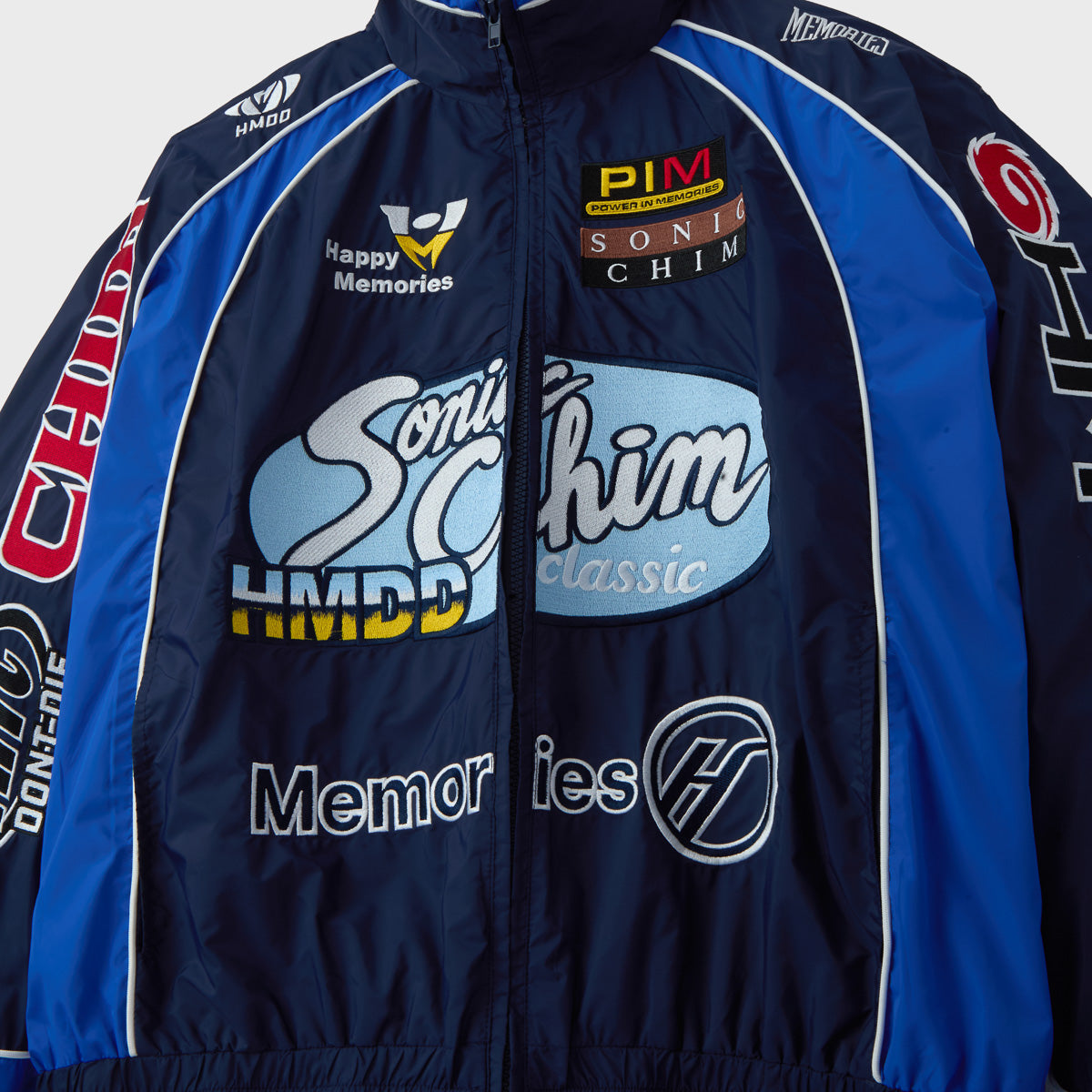
Indie fashion brands generally fall short of the return convenience of large chains, so a buying choice should account for the fact that fit corrections may take longer or cost more in shipping than they would with a mass-market seller. This situation is exclusive to HMDD, but it’s part of the real cost of buying from a niche, creativity-led label rather than a large-scale retailer with warehouse-scale logistics.
The Bottom Line: Should You Buy HMDD?
Especially the sweatpants and shorts deliver excellent per-wear value because they’re versatile, fit consistently, and hold up to frequent laundering better than budget basics. The “happy memories dont die” guiding idea isn’t just marketing spin — it shows up in creative decisions that favor sentiment and longevity over disposable trend-chasing.
If you’re expecting designer-level craftsmanship at mid-range prices, or depending on guaranteed restocks alongside forgiving return windows, that’s the moment to pull back. Such perks don’t count as strong points of the limited-drop model that HMDD runs on, and no truthful assessment should claim differently. For your individual situation in 2026, the worth-it question grows much easier to answer once you balance your own priorities — price relative to wear, design alignment, and patience with infrequent replenishment — against what HMDD provides.

 French
 English